
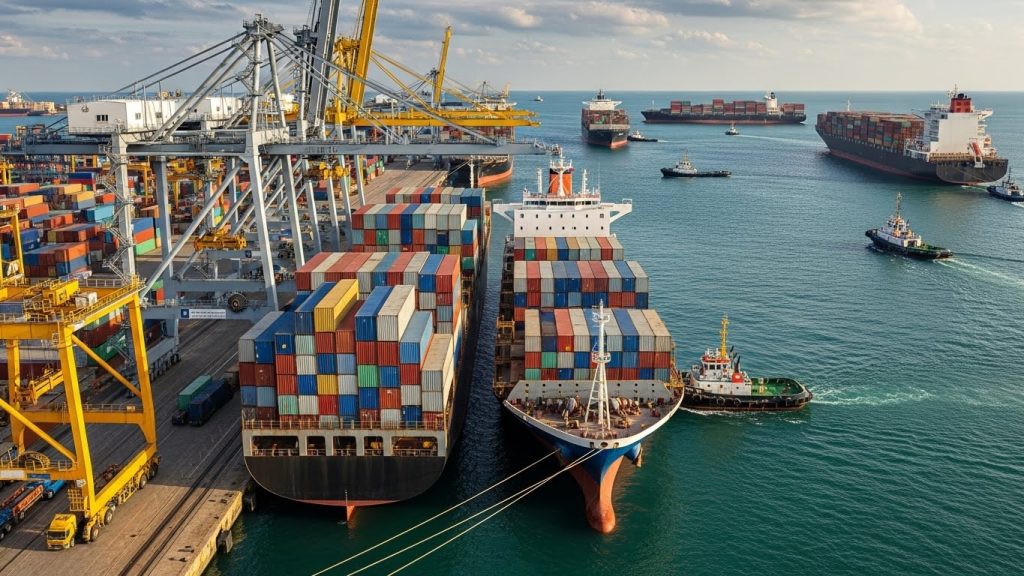
Sea freight shipping is one of the most reliable and cost-effective methods for transporting goods internationally. It is widely used for bulk cargo, heavy shipments, and long-distance trade. Understanding each step of the sea freight process helps businesses avoid delays, manage costs, and ensure timely delivery. This guide explains the sea freight shipping process step by step, making it easier for importers and exporters to plan and execute shipments efficiently.
Step 1: Booking the Sea Freight Shipment
The sea freight process begins with booking the shipment. At this stage, the shipper provides cargo details such as weight, dimensions, origin, and destination. Based on this information, the shipping method is selected, usually Full Container Load (FCL) or Less than Container Load (LCL). Accurate details at the booking stage help prevent space issues, unexpected costs, and scheduling problems later in the shipping process.
Step 2: Cargo Preparation and Packaging
Proper cargo preparation is essential for sea transport. Goods must be packed to withstand moisture, vibration, and long transit times. Strong packaging, clear labeling, and correct cargo markings help prevent damage and misidentification. Cargo weight and measurements are also verified during this stage, as incorrect information can lead to additional charges or delays at the port.
Step 3: Export Customs Clearance
Before goods can leave the country, export customs clearance is required. This involves submitting essential documents such as the commercial invoice, packing list, and export declaration. Customs authorities review the paperwork to ensure compliance with trade regulations. Any discrepancies in documentation can cause delays, so accuracy is critical at this stage of the sea freight shipping process.
Step 4: Port Handling and Container Loading
Once export clearance is completed, the cargo is transported to the port. Containers are gated in at the terminal and prepared for loading. Cargo is either stuffed into containers at a warehouse or directly at the port, depending on the shipping arrangement. Terminal handling procedures include security checks, container scanning, and proper placement before loading onto the vessel.
Step 5: Ocean Transit
After loading, the vessel begins its ocean journey. Transit time varies depending on the shipping route, distance, and port schedules. Weather conditions, port congestion, and vessel availability can affect sailing timelines. During this phase, shippers can monitor their cargo using tracking systems provided by carriers or logistics partners, helping them stay informed throughout the journey.
Step 6: Arrival at Destination Port
When the vessel arrives at the destination port, containers are unloaded and moved to the container yard. The arrival notice is issued, informing the consignee that the cargo has reached the port. This step marks the transition from ocean transit to import procedures, and timely coordination is required to avoid storage charges or demurrage fees.
Step 7: Import Customs Clearance
Import customs clearance begins once the cargo arrives at the destination port. Import documents are submitted to customs authorities for review. Duties and taxes are calculated based on the declared value and classification of goods. Customs may inspect the cargo before approving release. Once clearance is granted, the cargo is ready for final delivery.
Step 8: Final Delivery to the Consignee
After customs release, the cargo is transported from the port to the final destination. This is usually done by truck or rail, depending on distance and infrastructure. Upon delivery, the consignee verifies the shipment condition and quantity. Any damages or shortages should be reported immediately to ensure proper resolution.
Role of Logistics Professionals in Sea Freight
Managing the sea freight shipping process requires coordination, documentation accuracy, and regulatory knowledge. Businesses often rely on Sea freight services and Freight forwarding services to handle these complex tasks efficiently. Professional logistics support reduces risk, improves transit efficiency, and ensures compliance at every stage of the shipping process.
Conclusion
The sea freight shipping process involves multiple stages, from booking and packaging to customs clearance and final delivery. Each step plays a critical role in ensuring goods move smoothly across international borders. Understanding this process helps businesses plan better, reduce delays, and control costs. Partnering with an experienced logistics provider, Bismillah Logistics ensures professional handling, reliable coordination, and a smoother sea freight shipping experience.
Frequently Asked Questions
What is sea freight shipping?
Sea freight shipping is the transportation of goods by ocean vessels, commonly used for large or heavy cargo over long distances.
What is the difference between FCL and LCL?
FCL is used when one shipper fills an entire container, while LCL combines shipments from multiple shippers into one container.
How long does sea freight shipping take?
Transit time depends on the route, distance, and port conditions, typically ranging from a few weeks to over a month.
What documents are required for sea freight shipping?
Common documents include a commercial invoice, packing list, bill of lading, and customs declarations.
How can delays in sea freight be avoided?
Accurate documentation, proper packaging, and working with experienced logistics professionals help minimize delays.