5 Mistakes in Self-Managing International Shipping (and How to Avoid Them)
Home 5 Mistakes in Self-Managing International Shipping (and How to Avoid Them) Managing international shipping on your…
Importing products from China to Pakistan remains one of the most profitable business opportunities for entrepreneurs, SMEs, and large enterprises. With China being the world’s manufacturing hub, Pakistani importers can access competitive pricing, high-quality goods, and a wide variety of product categories. However, the import process involves more than just buying items and shipping them home. It requires planning, documentation, cost calculations, and strict compliance with customs regulations.
To help you avoid delays, penalties, and costly mistakes, this detailed guide provides a complete step-by-step logistics checklist for importing from China to Pakistan in 2025. Whether you are a beginner importer or an established business, the strategies and insights shared in this guide will help you navigate the entire supply chain with confidence.
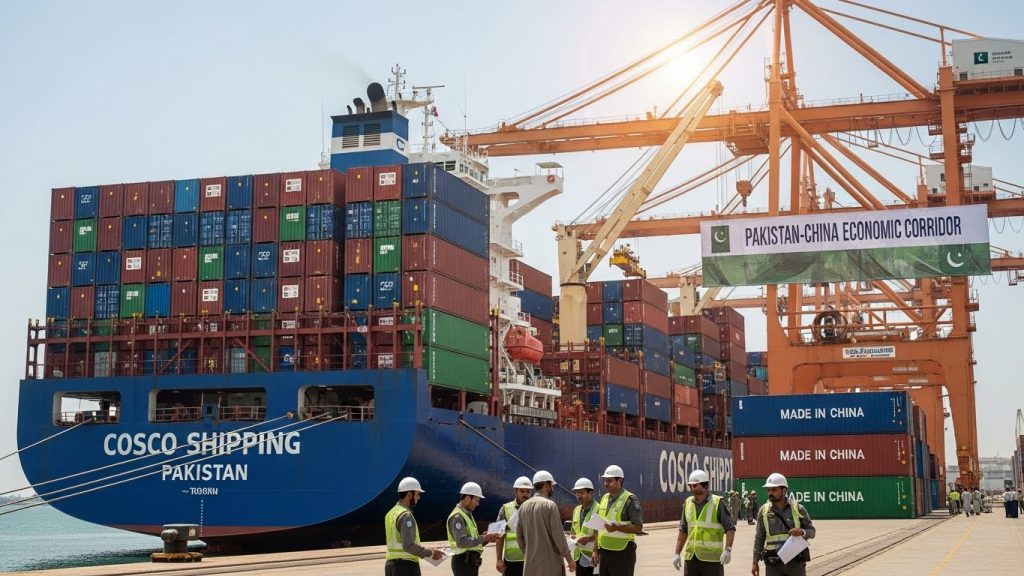
Before diving into shipping and documentation, it is essential to understand how the import process works. Trade between China and Pakistan has increased significantly due to CPEC initiatives, improved port infrastructure, and faster customs procedures.
Importers must comply with Pakistan Customs (FBR), SRO rules, HS Code regulations, and product-specific standards. Choosing the right Incoterms, such as FOB, CIF, or EXW, will also impact your pricing, shipping method, and responsibility for risk during transit.
A smooth importing experience starts with understanding these fundamentals.
The foundation of any import business is reliable suppliers. Most importers source through Alibaba, Global Sources, or Made-in-China, but not all suppliers meet quality expectations or follow export regulations.
Here’s what to verify:
If possible, perform third-party factory audits. This prevents dealing with trading companies disguised as manufacturers and ensures consistent quality.
One of the biggest challenges for new importers is understanding the complete landed cost. Many beginners calculate only the product price, but several additional charges impact profitability.
A clear cost structure includes:
It is crucial to request a detailed shipping quotation upfront to avoid unexpected surprises. Most importers also compare shipping modes to decide whether the shipment should move by air or sea.
Importers typically choose between sea freight and air freight. Each mode has its own cost, speed, and suitability depending on the product type.
Sea shipping is the most economical method when importing in bulk. LCL is suitable for small shipments, while FCL is ideal for full container loads. Transit times from China to Karachi range from 18 to 30 days depending on the port of origin.
If you are working with a sea freight logistics company, they will handle container booking, documentation, and port coordination.
Air shipping is ideal for urgent, high-value, or lightweight shipments. Transit time is typically 4–7 days. Although more expensive, many businesses rely on air freight to maintain fast inventory turnover.
Importers who prefer efficiency often coordinate with a specialist that offers air logistics services for quicker shipments and secure handling.
Selecting the right logistics partner can significantly impact your import experience. A knowledgeable forwarding company ensures smooth transportation, timely updates, and accurate documentation.
When evaluating a local freight forwarder, consider the following:
Ask about their partnerships with overseas agents, handling capabilities, and familiarity with Pakistan Customs. Avoid companies that promise unrealistic delivery schedules or prices that sound too good to be true.
For businesses managing multiple suppliers or frequent shipments, partnering with a 3pl service provider may offer added benefits such as warehousing, distribution, and inventory management.
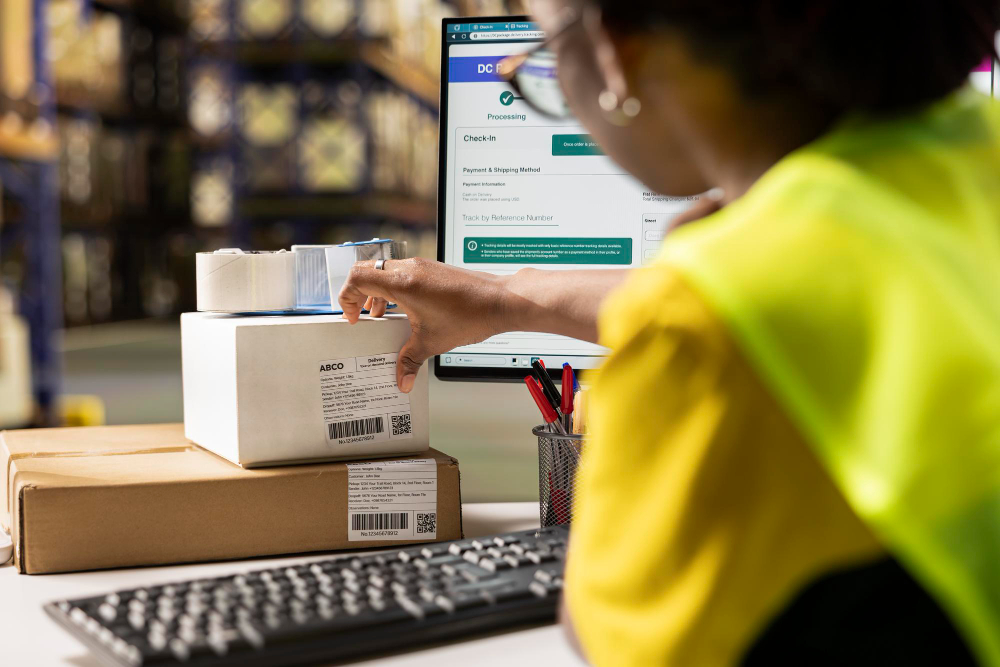
Proper packaging and labeling are essential for preventing damage, avoiding customs delays, and complying with Pakistani import standards.
Your products must be securely packed to endure long-distance transportation. Fragile or electronic items should include added protection.
You must arrange the following documents before your cargo arrives:
Incorrect or missing documentation is one of the main causes of customs delays in Pakistan. Always verify these documents with your supplier before shipment departure.
Once your shipment arrives, it must clear customs before entering the local market. The customs clearance process involves examination, assessment of duties and taxes, and verification of documentation.
Working with a custom clearance company can save you considerable time, especially if you are new to the process. They understand tariff structures, SRO exemptions, valuation rules, and scanning procedures. A clearance agent also helps prevent fines caused by incorrect HS Codes or misdeclared values.
Typical duties include:
Customs clearance timelines vary from 1–5 days depending on port congestion and the completeness of documents.
After customs release, the next step is moving your goods to your warehouse or business location. You can choose direct delivery, cross-docking, or long-term storage.
Last-mile delivery may include:
If you handle frequent shipments, maintaining a reliable local distribution partner will ensure fast delivery and reduced operational costs.
Trade regulations continue to evolve. Importers must stay updated with Pakistan’s tariff revisions, new SROs, and product-specific compliance rules.
Risks to manage include:
Cargo insurance is strongly recommended for sea and air shipments. It protects your investment from loss or damage during transit.
Below is a simplified timeline for a standard import process:
This timeline varies depending on shipment volume, mode of transport, and customs procedures.
To make your import process smooth and compliant, review the following checklist:
Following this structured checklist will help you avoid delays and strengthen your supply chain efficiency.
Importing from China to Pakistan in 2025 offers incredible growth opportunities for businesses, but success relies on proper planning and understanding of logistics. By following this complete checklist, covering sourcing, cost calculation, shipping modes, documentation, customs procedures, and last-mile delivery, you can streamline your operations and reduce the risks associated with international trade.
If you need help with shipping, customs clearance, or choosing the right logistics solution, partnering with a reliable freight forwarding expert can make the entire process far more efficient and stress-free.
Home 5 Mistakes in Self-Managing International Shipping (and How to Avoid Them) Managing international shipping on your…
Home 5 Common Causes of Shipment Delays in Pakistan (And How We Prevent Them) In today’s fast-paced…
Home Importing from China to Pakistan: A Complete Logistics Checklist for 2025 Importing products from China to…