Logistics

Disclaimer: Bismillah Logistics is not responsible for any scams or fraudulent activities conducted by individuals using our name. Please verify all transactions through our official channels only.     — Disclaimer: Bismillah Logistics is not responsible for any scams or fraudulent activities conducted by individuals using our name. Please verify all transactions through our official channels only.
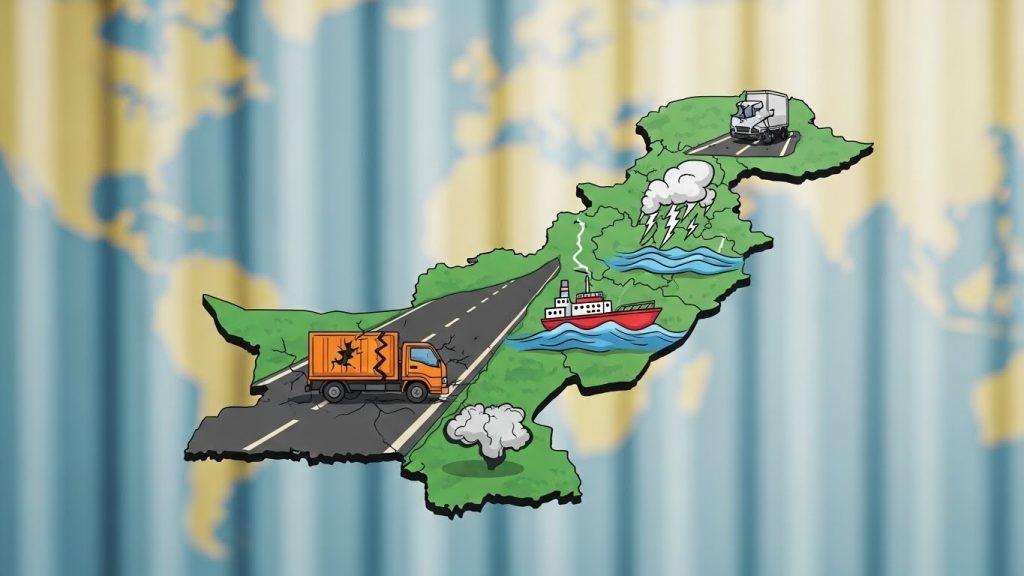
5 Common Causes of Shipment Delays in Pakistan

In today’s fast-paced trade environment, timely delivery is critical for business performance. Whether you import from China, the Middle East, Europe, or any other region, a single delay in your supply chain can lead to increased costs, unhappy customers, and disrupted business planning. Unfortunately, shipment delays are still common in Pakistan due to port congestion, customs procedures, documentation errors, and other logistical challenges.

The good news is that most of these delays are predictable—and avoidable. By understanding the underlying reasons behind late shipments and implementing preventive logistics strategies, importers can achieve smooth, uninterrupted cargo flow throughout the year.

This guide explains the five most common causes of shipment delays in Pakistan, along with detailed solutions based on industry best practices and real-world experience. Whether you’re shipping through sea or air, working with multiple suppliers, or managing high-volume inventory, this breakdown will help you build a more reliable supply chain for 2025 and beyond.

1. Customs Clearance Issues

One of the biggest causes of shipment delays in Pakistan is complications during customs clearance. Even a minor error in documentation can lead to unnecessary inspections, long verification procedures, or additional questioning by authorities. As a result, containers or air cargo can remain stuck at ports, costing businesses extra money in storage and demurrage.

Common customs-related delay factors include:

  • Incorrect HS Codes
  • Missing documents such as Certificates of Origin or Packing Lists
  • Undervalued invoices triggering scrutiny
  • Random scanning by customs
  • Late payment of duties and taxes

Even seasoned importers sometimes struggle with the complexity of customs rules, especially when regulations change frequently.

How We Prevent This Delay

We begin the clearance process before your shipment even arrives. Our team reviews and verifies every document in advance to ensure compliance with customs requirements. We maintain direct coordination with customs officers, provide accurate HS code classification, and alert clients immediately if any document needs correction. This proactive approach reduces the chances of unexpected holds and speeds up the entire clearance process.

Businesses shipping regularly benefit greatly by partnering with a reliable custom clearance company that handles documentation and communication professionally.

2. Port Congestion and Terminal Delays

Karachi Port and QICT/Port Qasim are Pakistan’s major gateways for international cargo. Because all shipping lines operate through these two locations, congestion is common, especially during peak seasons such as pre-Ramzan, textile export months, or global holiday periods.

Typical congestion-related causes:

  • Heavy vessel traffic
  • Slow container unloading
  • Delayed stacking and scanning
  • Shortage of port labor or equipment
  • Weather constraints affecting port cranes

These delays can add days, or sometimes weeks, to your shipment timeline.

How We Prevent This Delay

We monitor port conditions daily and plan arrivals strategically. When congestion is high, we reroute cargo through alternative terminals, prioritize container handling through strong partner networks, and schedule early clearance arrangements. We maintain advance bookings and coordinate with vessel agents to track berthing updates.
This approach helps clients minimize port-related disruptions, especially when importing through sea freight services, which rely heavily on port efficiency.

3. Supplier Delays in China (or Origin Country)

Many shipment delays actually begin before the cargo leaves the supplier’s facility. Production delays, incomplete orders, QC failures, or last-minute changes by suppliers can significantly affect delivery timelines. These delays often catch importers by surprise, especially if they rely solely on supplier promises without third-party oversight.

Common supplier-side issues include:

  • Late production due to overloaded factories
  • Poor packaging that requires rework
  • Changes in material availability
  • Failure to meet agreed shipping dates
  • Inaccurate documentation prepared by suppliers

When suppliers rush production to meet deadlines, quality control issues also become common.

How We Prevent This Delay

We maintain active communication with suppliers from the moment an order is placed. Our China-side logistics partners conduct pre-shipment inspections, verify packaging standards, and ensure accurate documentation before goods leave the warehouse. If a supplier is behind schedule, we step in early to prevent bigger delays later.

Importers who work with multiple vendors benefit greatly from a 3pl service provider that centralizes coordination, manages vendor follow-ups, and consolidates shipments efficiently.

4. Transport, Weather, and Infrastructure Disruptions

Pakistan’s logistics network, although improving, remains vulnerable to weather events, political situations, and road-related issues. Heavy monsoon rain, flooding, or seasonal weather patterns can disrupt vessel arrivals, flight schedules, and truck movement.

Examples of transport disruptions:

  • Road blockages due to political demonstrations
  • Unexpected vehicle breakdowns
  • Fuel supply shortages
  • Extreme weather affecting Karachi’s coastline
  • Fog causing flight delays in winter

Such disruptions impact both sea and air shipments, causing delays at multiple points in the supply chain.

How We Prevent This Delay

We track weather patterns, road conditions, and political developments in real time to adjust transportation plans. For example, if heavy weather is expected along the Karachi coastline, we adjust our schedules or reroute deliveries. If road closures occur, alternative routes or transport options are arranged quickly.

Importers choosing air freight services during urgent seasons experience faster recovery from such disruptions because flights can be rescheduled more easily than vessels.

5. Improper Packaging and Handling

Many importers underestimate the importance of proper packaging. Poor or insufficient packaging results in broken goods, leakage, product deformation, or compromised containers. When cargo arrives damaged, it usually goes through additional inspections, repacking procedures, or insurance verification, each of which causes delays.

Typical packaging-related issues:

  • Weak cartons for heavy products     
  • Lack of moisture protection
  • No palletization for fragile items
  • Incorrect labeling or missing markings
  • Overloaded containers resulting in damage

If the cargo is damaged during transit, customs authorities may conduct additional checks, slowing down clearance even further.

How We Prevent This Delay

We provide suppliers with packaging guidelines based on product category and mode of shipment. Our QC team verifies packaging before the cargo leaves the origin port to avoid damage during handling. Fragile or sensitive cargo is reinforced with protective materials, pallets, or wooden frames to ensure safe arrival.
Once the cargo reaches Karachi, we coordinate with a trusted custom clearance agent in Karachi to ensure smooth inspection without unnecessary delays.

Conclusion

Importing from China to Pakistan in 2025 offers incredible growth opportunities for businesses, but success relies on proper planning and understanding of logistics. By following this complete checklist, covering sourcing, cost calculation, shipping modes, documentation, customs procedures, and last-mile delivery, you can streamline your operations and reduce the risks associated with international trade.

If you need help with shipping, customs clearance, or choosing the right logistics solution, partnering with a reliable freight forwarding expert can make the entire process far more efficient and stress-free.

Related Posts

5 Mistakes in Self-Managing International Shipping (and How to Avoid Them)
08Dec

5 Mistakes in Self-Managing International Shipping (and How to Avoid Them)

Home 5 Mistakes in Self-Managing International Shipping (and How to Avoid Them) Managing international shipping on your…

5 Common Causes of Shipment Delays in Pakistan (And How We Prevent Them)
08Dec

5 Common Causes of Shipment Delays in Pakistan (And How We Prevent Them)

Home 5 Common Causes of Shipment Delays in Pakistan (And How We Prevent Them) In today’s fast-paced…

Importing from China to Pakistan: A Complete Logistics Checklist for 2025
08Dec

Importing from China to Pakistan: A Complete Logistics Checklist for 2025

Home Importing from China to Pakistan: A Complete Logistics Checklist for 2025 Importing products from China to…

Scroll to Top