
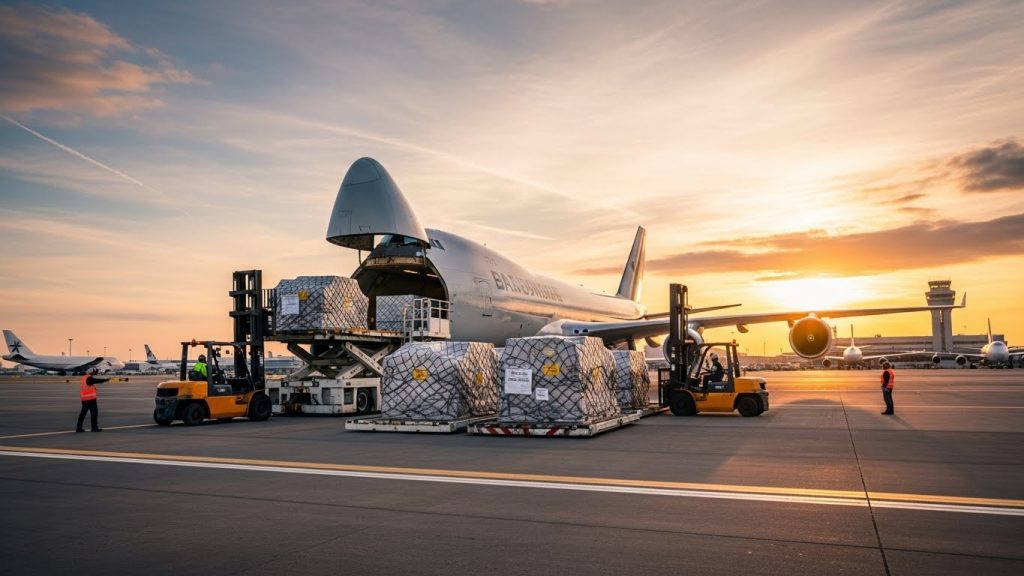
In today’s fast-paced global economy, businesses need transportation solutions that can keep up with tight deadlines and high customer expectations. Air freight shipping has become a preferred option for companies that value speed, reliability, and efficiency. While it may not always be the cheapest mode of transport, the benefits it offers often outweigh the costs, especially for time-sensitive and high-value shipments.
Faster Transit Times
One of the biggest advantages of air freight shipping is speed. Compared to sea or road transport, air shipping dramatically reduces transit times. Goods that may take weeks by sea can often reach their destination within days by air.
This speed is especially valuable for urgent shipments, seasonal products, and industries where delays can result in lost sales or production downtime. Faster delivery also helps businesses respond quickly to market demand and maintain a competitive edge.
Reduced Lead Times and Inventory Costs
Air freight helps shorten supply chain cycles by reducing lead times. Faster movement of goods allows businesses to operate with lower inventory levels, minimizing warehousing and storage costs.
With quicker replenishment, companies can adopt just-in-time inventory strategies and reduce the risk of stockouts or overstocking. This flexibility is particularly beneficial for industries with rapidly changing product lines or limited shelf life.
High Reliability and Predictable Scheduling
Air freight operates on fixed flight schedules, which makes shipment planning more predictable. Airlines follow strict timetables, reducing the likelihood of unexpected delays commonly seen in other transport modes.
This reliability allows businesses to plan production, distribution, and delivery schedules with greater confidence. Fewer disruptions mean improved supply chain performance and better service consistency for customers.
Enhanced Cargo Security
Air freight shipping offers a high level of security. Airports implement strict security procedures, including advanced screening and controlled access to cargo areas. These measures significantly reduce the risk of theft, tampering, or unauthorized handling.
Additionally, air shipments typically involve fewer handling stages compared to sea or road transport. Less handling means a lower chance of damage, making air freight ideal for valuable or delicate goods.
Global Reach and Connectivity
Air freight provides access to an extensive global network of airports, connecting major cities and remote regions alike. This global reach enables businesses to expand into international markets quickly and efficiently.
Air transport also integrates seamlessly with road and rail networks, ensuring smooth door-to-door delivery. This connectivity supports fast last-mile distribution and improves overall logistics efficiency.
Lower Risk of Damage for Sensitive Goods
Because air freight shipments spend less time in transit, goods are exposed to fewer environmental and handling risks. This makes air transport well suited for fragile, high-value, or sensitive products.
Industries such as electronics, pharmaceuticals, and medical supplies often rely on air shipping to maintain product quality. Many airlines also offer temperature-controlled solutions to support cold chain requirements and protect perishable items.
Simplified Packaging Requirements
Air freight typically requires lighter packaging compared to sea freight. Since cargo is not exposed to long periods of moisture or rough sea conditions, heavy-duty packaging is often unnecessary.
Simplified packaging reduces material costs and lowers shipment weight, which can positively impact freight charges. It also supports sustainability efforts by minimizing excess packaging waste.
Cost Efficiency for Urgent and High-Value Shipments
Although air freight generally has higher per-unit transportation costs, it can be cost-effective in specific situations. For urgent shipments, the cost of delays, production stoppages, or lost sales may far exceed the additional freight expense.
Air shipping is also ideal for high-value goods where speed, security, and reliability are more important than transport cost alone. In such cases, air freight delivers strong value by protecting business continuity.
Environmental Considerations
Modern aircraft are becoming more fuel-efficient, and airlines continue to invest in improved technologies and optimized flight routes. These advancements help reduce the environmental impact of air freight over time.
Some carriers also offer carbon offset programs, allowing businesses to support sustainability initiatives. While air freight has a higher carbon footprint than other modes, it remains a practical choice for shipments where speed is critical.
When Should You Choose Air Freight Shipping?
Air freight is best suited for shipments that are time-sensitive, high-value, lightweight, or perishable. It is commonly used for emergency supplies, replacement parts, seasonal goods, and products with short life cycles.
Businesses often work with an experienced Freight forwarder to evaluate shipment requirements and determine whether air freight is the most efficient option based on cost, urgency, and destination.
Conclusion
Air freight shipping offers unmatched speed, reliability, and security for businesses operating in competitive global markets. From reducing lead times to protecting sensitive cargo, its benefits make it an essential logistics solution for many industries. By choosing the right Air freight service and partnering with a trusted logistics provider like Bismillah Logistics, businesses can ensure fast, secure, and efficient delivery of their goods worldwide.
Frequently Asked Questions
What types of goods are best suited for air freight shipping?
Air freight is ideal for urgent, high-value, lightweight, perishable, or time-sensitive goods.
Is air freight more reliable than sea freight?
Yes, air freight generally offers more predictable schedules and fewer delays compared to sea transport.
Does air freight require special packaging?
Packaging requirements are usually lighter than sea freight, but goods must still be secured properly for air transport.
Is air freight suitable for international shipping?
Yes, air freight provides extensive global connectivity and is widely used for international trade.
How can businesses reduce air freight costs?
Planning shipments in advance, consolidating cargo, and working with experienced logistics partners can help manage costs effectively.