
How to Save Costs When Importing from China to Pakistan
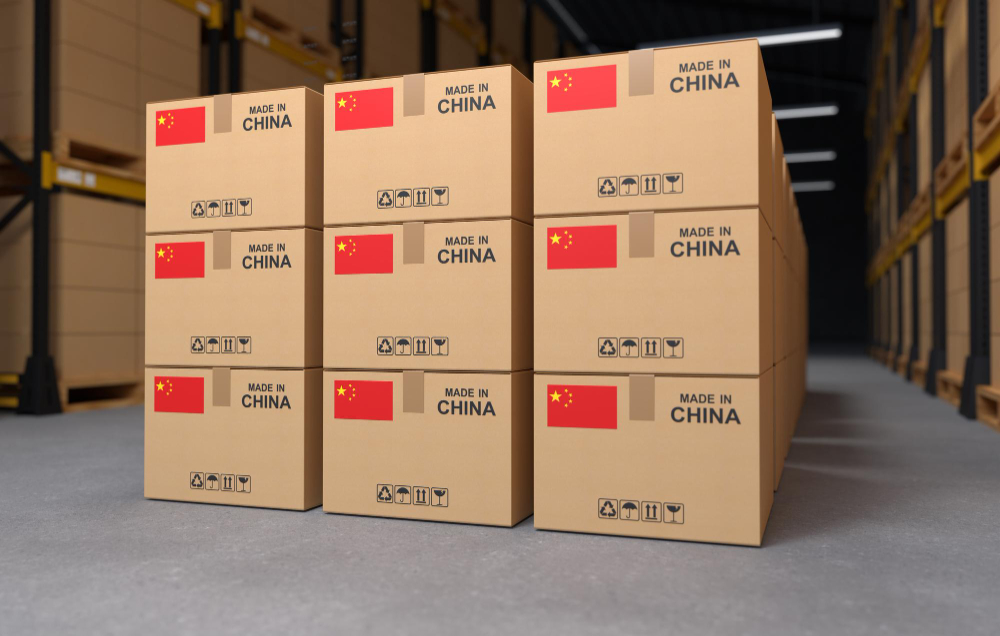
Importing goods from China to Pakistan has become a popular option for businesses seeking competitive pricing and a wide range of products. However, without careful planning, import costs can quickly escalate due to shipping fees, customs duties, and inefficient logistics. By understanding the import process and leveraging professional services, businesses can save money while ensuring timely delivery of their goods.
Cost efficiency is especially important for small and medium-sized enterprises that rely on maintaining tight profit margins. From selecting the right supplier to choosing the best transportation method, every step of the import process influences the total cost.
Choosing the Right Supplier
The first step in saving costs is selecting a reliable supplier. Working with reputable manufacturers or wholesalers in China ensures that products meet quality standards and arrive on time. Low-quality suppliers may offer cheaper rates upfront, but delays, damaged goods, and inconsistencies often lead to higher expenses in the long run.
Negotiating favorable terms, including bulk discounts and shipping arrangements, can significantly reduce costs. Always verify product specifications and avoid hidden charges for packaging or minimum order quantities. Choosing the right supplier is not just about price, it’s about balancing quality, reliability, and total cost.
Understanding Shipping Options
Shipping methods play a major role in import costs. Air freight services provide faster delivery but come with higher fees, making them suitable for small, high-value, or urgent shipments. On the other hand, sea freight services are more cost-effective for larger volumes, although delivery times are longer.
Businesses should assess their priorities: speed or cost. For non-urgent bulk orders, sea freight can drastically reduce shipping expenses. Combining smaller shipments into one consolidated sea shipment is another effective strategy for minimizing transport costs.
Proper Packaging and Order Consolidation
Efficient packaging is an often-overlooked method for reducing import costs. Using compact, durable packaging reduces cargo volume and weight, lowering shipping fees. Properly packed goods are also less likely to be damaged during transit, saving money on replacements or insurance claims.
Order consolidation is another practical strategy. Instead of shipping multiple small orders separately, combining them into one larger shipment reduces the per-unit shipping cost. Consolidation is especially beneficial when using sea freight, as container space can be maximized for efficiency.
Working with a Custom Clearance Agent
Importing goods involves navigating Pakistan’s customs regulations, which can be complex. A professional custom clearance agent ensures that all documentation is correct and shipments comply with legal requirements.
Errors in customs paperwork often lead to delays, fines, or additional storage fees. By working with an experienced agent, businesses can avoid costly mistakes, expedite shipment clearance, and ensure smooth delivery. Proper customs handling is critical for minimizing unexpected charges and maintaining overall cost efficiency.
Utilizing Freight Forwarding Services
Engaging professional freight forwarding services can further reduce costs. Freight forwarders coordinate shipments across multiple carriers, optimize transportation routes, and consolidate cargo to lower fees.
Forwarders also handle logistics planning, documentation, and regulatory compliance, which saves businesses both time and money. Their expertise allows companies to focus on core operations while ensuring shipments are transported efficiently and cost-effectively.
Understanding Import Duties and Taxes
Import duties and taxes can significantly increase the cost of goods. It is important to research applicable tariffs, HS codes, and exemptions before shipping. Proper planning helps avoid surprise charges and allows businesses to calculate the total landed cost accurately.
Using correct product classification and accurate documentation ensures that customs duties are applied appropriately. Misclassification or errors in invoices can result in penalties or shipment delays, adding unnecessary expenses.
Planning and Timing Your Shipments
Timing also affects import costs. Shipping during off-peak seasons or avoiding urgent, last-minute shipments can reduce fees. Sea freight rates are often lower during certain months, and air freight charges fluctuate with demand.
Advance planning allows businesses to take advantage of cost-effective shipping schedules. Properly timed shipments prevent the need for expensive express services and help maintain consistent inventory levels without overstocking.
Conclusion
Saving costs when importing from China to Pakistan requires careful planning at every stage, from choosing the right supplier to selecting the most suitable shipping method. Proper packaging, order consolidation, and accurate documentation all contribute to cost efficiency.
Engaging professional logistics support, including customs agents, freight forwarders, and the right combination of air and sea freight services, ensures smooth operations while minimizing unnecessary expenses. Businesses looking for a reliable partner in managing their imports can benefit from working with experienced providers like Bismillah Logistics, which offers comprehensive services for cost-effective and efficient international trade.