
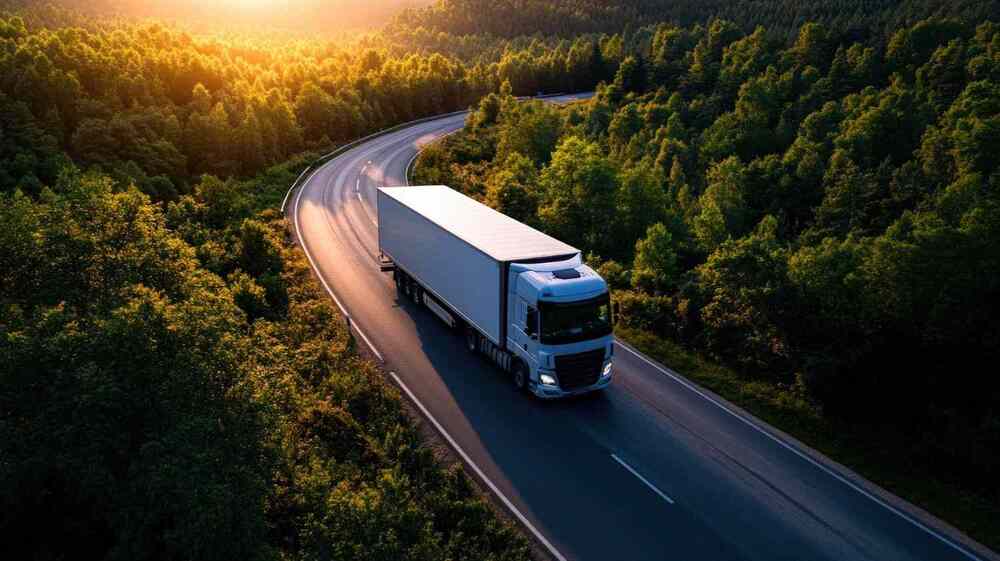
As businesses expand across global markets, logistics has become a critical part of delivering products efficiently. While traditional logistics has long focused on cost and speed, growing environmental concerns have encouraged companies to adopt more sustainable practices. Green logistics aims to reduce the environmental impact of transportation, warehousing, and distribution without compromising operational performance.
What Is Green Logistics?
Green logistics refers to strategies and practices designed to reduce the environmental impact of logistics operations. It emphasizes efficient resource use, lower carbon emissions, sustainable packaging, and energy-saving technologies throughout the supply chain.
Businesses adopting green logistics often invest in cleaner transportation methods, optimized delivery routes, and environmentally responsible warehouse operations to minimize waste and improve efficiency.
What Is Traditional Logistics?
Traditional logistics focuses on moving goods from one location to another as quickly and cost-effectively as possible. The primary objectives are timely deliveries, inventory management, and customer satisfaction.
Although this approach has helped businesses grow, it often relies on conventional fuel-powered transportation and operational methods that may contribute to higher emissions and increased energy consumption.
Key Differences Between Green Logistics and Traditional Logistics
Environmental Impact
The biggest difference lies in environmental responsibility. Green logistics seeks to reduce greenhouse gas emissions, fuel consumption, and waste generation. Traditional logistics generally prioritizes operational efficiency without placing significant emphasis on environmental outcomes.
Transportation Methods
Green logistics encourages the use of fuel-efficient vehicles, route optimization, and alternative energy sources to reduce emissions. Businesses also evaluate transportation modes carefully to minimize their environmental footprint.
For large international shipments, sea freight services are often considered a more environmentally efficient option because they can transport significant cargo volumes with lower emissions per unit compared to other methods.
For time-sensitive deliveries, companies may rely on air freight services, although they often reserve this option for urgent shipments due to its higher environmental impact.
Warehouse Operations
Green warehouses use energy-efficient lighting, renewable energy systems, and smart inventory management technologies. Traditional warehouses typically depend on conventional energy sources and older operational processes.
Modern warehouse automation also reduces energy consumption while improving inventory accuracy.
Packaging Practices
Green logistics promotes recyclable, reusable, and biodegradable packaging materials. Businesses also aim to reduce excess packaging to minimize waste.
Traditional logistics often uses standard packaging materials without considering their environmental impact.
Technology Integration
Technology plays a significant role in sustainable logistics. Businesses use artificial intelligence, Internet of Things devices, digital inventory systems, and real-time shipment visibility to improve operational efficiency while reducing unnecessary transportation and fuel consumption.
Traditional logistics may rely more heavily on manual processes and less integrated systems.
Cost Considerations
Implementing green logistics may require higher initial investment in equipment, technology, and infrastructure. However, businesses often experience long-term savings through lower fuel usage, improved operational efficiency, and reduced maintenance costs.
Traditional logistics generally requires lower upfront investment but may result in higher operating expenses over time due to increasing fuel prices and regulatory compliance costs.
Benefits of Green Logistics
Adopting sustainable logistics practices offers several advantages:
- Lower carbon emissions
- Improved operational efficiency
- Reduced fuel consumption
- Better resource utilization
- Stronger brand reputation
- Compliance with environmental regulations
- Greater customer confidence
Many customers now prefer businesses that demonstrate environmental responsibility, making sustainability a competitive advantage.
Challenges of Green Logistics
Despite its benefits, implementing green logistics presents certain challenges:
- Higher initial investment
- Limited sustainable infrastructure
- Technology adoption costs
- Employee training requirements
- Supply chain coordination
Businesses should develop a long-term sustainability strategy to overcome these challenges gradually.
How Businesses Can Transition to Green Logistics
Companies can begin their sustainability journey by taking practical steps such as:
- Optimizing transportation routes
- Improving warehouse energy efficiency
- Using recyclable packaging materials
- Monitoring fuel consumption
- Investing in digital logistics solutions
- Reducing unnecessary inventory movement
Working with experienced freight forwarding services providers can also help businesses optimize international transportation while improving overall supply chain efficiency.
Organizations handling imports through major ports may further improve operational performance by using professional custom clearance services in Karachi, ensuring shipments move efficiently through customs while avoiding unnecessary delays.
Businesses operating in different regions can also benefit from collaborating with an experienced Freight Forwarder in Lahore to support efficient cargo planning and distribution.
The Future of Green Logistics
Sustainability is becoming a key priority across global supply chains. Governments, consumers, and businesses increasingly expect logistics operations to reduce their environmental impact.
Future developments are likely to include greater adoption of electric transport, AI-powered route optimization, smart warehouses, renewable energy, and digital supply chain technologies. Companies that embrace these innovations today will be better positioned to meet future market demands.
Conclusion
Green logistics and traditional logistics share the same objective of moving goods efficiently, but they differ significantly in how they address environmental responsibility. While traditional logistics focuses primarily on cost and speed, green logistics emphasizes sustainable operations that reduce emissions, conserve resources, and create long-term business value. As sustainability becomes increasingly important, businesses that invest in greener logistics practices can strengthen their competitiveness while contributing to a cleaner future. Bismillah Logistics supports businesses with reliable logistics solutions designed to improve efficiency and meet evolving supply chain requirements.