What Is Hyperautomation in Logistics and How Does It Improve Operational Efficiency?
The logistics industry is evolving rapidly as businesses seek faster, more accurate, and cost-effective ways to manage supply chains. Increasing shipment volumes, complex documentation, and growing customer expectations have made operational efficiency more important than ever. To address these challenges, companies are adopting advanced technologies that automate multiple business processes. One such development is hyperautomation, which combines artificial intelligence, machine learning, and automation tools to improve logistics operations.
What Is Hyperautomation in Logistics?
Hyperautomation in logistics refers to the use of advanced technologies to automate repetitive tasks, streamline workflows, and improve decision-making across supply chain operations. Unlike traditional automation, which focuses on individual tasks, hyperautomation connects multiple systems to create more intelligent and coordinated processes.
For example, a logistics company can use automated systems to process shipping documents, monitor cargo movements, update shipment statuses, and identify potential delays. These technologies work together to reduce manual involvement and improve overall operational performance.
What Technologies Are Used in Logistics Hyperautomation?
Hyperautomation combines several technologies to create connected and efficient logistics processes.
1. Artificial Intelligence and Machine Learning
Artificial intelligence helps logistics businesses analyze large amounts of data and make informed decisions. Machine learning can identify shipping patterns, forecast demand, and predict potential transportation delays. These capabilities allow companies to plan operations more effectively.
2. Robotic Process Automation (RPA)
RPA uses software robots to perform repetitive administrative tasks. These include entering shipment details, generating invoices, updating records, and processing routine documentation. Automating these activities reduces manual errors and saves valuable time.
3. Internet of Things (IoT)
IoT devices connect physical assets to digital systems through sensors and tracking technology. They help businesses monitor cargo locations, transportation conditions, and shipment progress in real time. This improves visibility and enables faster responses to unexpected situations.
4. Intelligent Document Processing
Intelligent document processing uses AI to extract and organize information from invoices, packing lists, shipping documents, and other business records. It reduces manual data entry and helps improve documentation accuracy.
5. Warehouse Automation
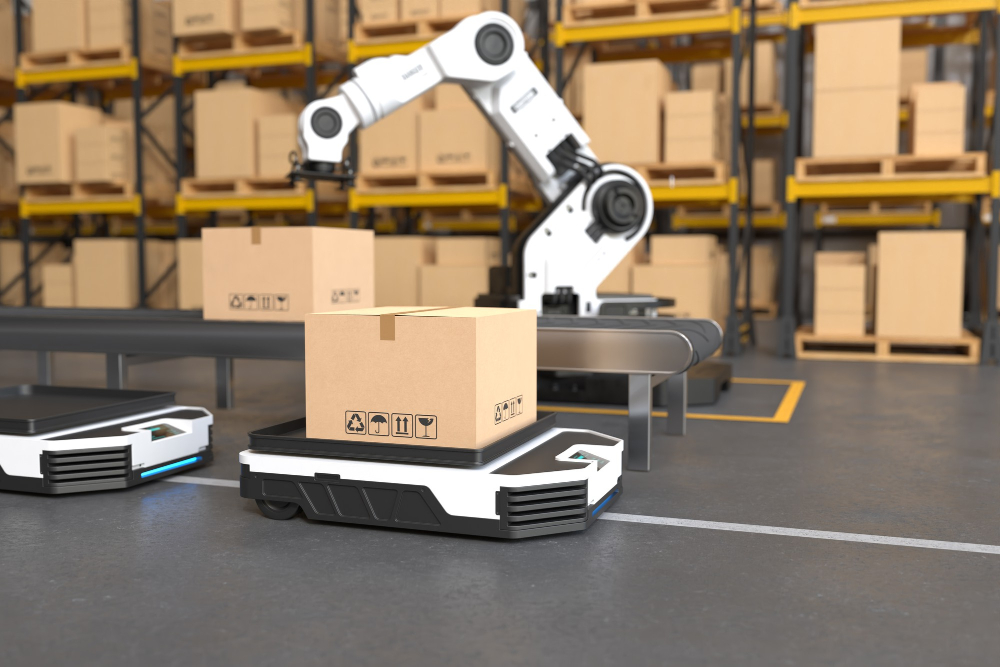
Automated warehouse systems use robotics, sensors, and intelligent software to manage inventory, sort products, and support order fulfillment. These technologies improve warehouse productivity and reduce processing time.
How Does Hyperautomation Improve Operational Efficiency in Logistics?
Hyperautomation provides several advantages that help logistics businesses improve their daily operations.
Reduces Manual Work
Automating repetitive tasks allows employees to focus on more important responsibilities. This improves productivity and reduces the time spent on routine administrative activities.
Minimizes Documentation Errors
Automated data processing reduces mistakes caused by manual entry. Accurate documentation is particularly important when managing international shipments and regulatory requirements.
Improves Shipment Visibility
Connected tracking systems provide timely information about cargo movements. Businesses can monitor shipments more effectively and keep customers informed about delivery progress.
Speeds Up Decision-Making
AI-powered systems analyze operational data and identify potential problems. Logistics managers can use these insights to make faster decisions and minimize disruptions.
Reduces Operational Costs
Automation helps businesses use resources more efficiently by reducing unnecessary manual work, processing delays, and administrative expenses.
Which Logistics Operations Can Benefit Most from Hyperautomation?
Several logistics activities can benefit from intelligent automation.
Freight Forwarding Operations
Automated booking systems, shipment notifications, and digital records help streamline international transportation coordination. Businesses offering freight forwarding services can use these technologies to improve communication and manage shipments more efficiently.
Customs Documentation and Compliance
Automated document processing can help verify shipment information, organize required records, and identify missing details before submission. These capabilities can support a more organized custom clearance service while reducing avoidable documentation delays.
Air and Sea Cargo Management
Digital tracking, automated scheduling, and shipment monitoring improve cargo coordination. Companies managing air logistics services and international sea freight services can benefit from better shipment visibility and operational planning.
Transportation and Inventory Management
Automated fleet monitoring and inventory systems help businesses track available resources, optimize delivery schedules, and maintain accurate stock records.
What Are the Challenges of Implementing Hyperautomation in Logistics?
Despite its benefits, implementing hyperautomation requires careful planning. Initial technology investments can be expensive, particularly for smaller businesses. Integrating new systems with existing software may also create technical difficulties.
Additionally, companies need accurate data, reliable cybersecurity measures, and trained employees to manage automated processes. A gradual implementation strategy can help businesses control costs and address technical challenges without disrupting existing operations.
What Is the Future of Hyperautomation in the Logistics Industry?
The future of logistics will increasingly depend on connected technologies and intelligent systems. Artificial intelligence, predictive analytics, robotics, and digital documentation are expected to play a larger role in supply chain management.
As these technologies become more accessible, businesses will have greater opportunities to improve shipment coordination, reduce processing time, and strengthen operational efficiency. A technology-driven logistics service provider in Pakistan can use these developments to improve service quality and meet evolving customer expectations.
Conclusion
Hyperautomation is transforming logistics by connecting intelligent technologies with everyday business operations. From automated documentation to real-time cargo monitoring, it helps companies reduce errors, control costs, and improve supply chain visibility. As international trade becomes more complex, adopting smarter operational practices will become increasingly important. Bismillah Logistics recognizes the importance of efficient logistics coordination and reliable supply chain management in supporting modern import and export businesses.