
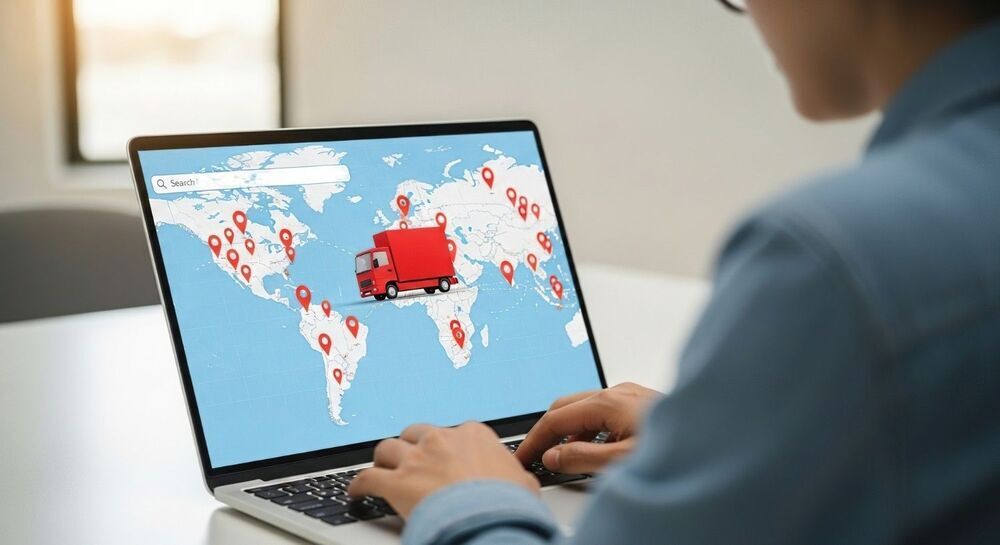
In today’s fast-paced logistics industry, businesses and customers expect complete visibility into the movement of their shipments. Real-time shipment tracking has become an essential tool that helps companies monitor cargo from pickup to final delivery. It improves transparency, reduces delays, and allows businesses to make informed decisions throughout the shipping process.
What Is Real-Time Shipment Tracking?
Real-time shipment tracking is a technology that provides continuous updates about the location and status of goods while they are in transit. Instead of waiting for manual updates, businesses can monitor shipments through digital platforms that display live information.
This visibility allows companies to respond quickly to unexpected delays, improve delivery planning, and keep customers informed throughout the shipping journey.
How Does Real-Time Shipment Tracking Work?
Real-time tracking combines several technologies that work together to collect, transmit, and display shipment data.
GPS Technology
Global Positioning System (GPS) devices installed on vehicles or shipping containers continuously determine their location. These coordinates are updated regularly, allowing businesses to monitor cargo movement throughout the journey.
IoT Sensors
Internet of Things (IoT) sensors collect additional information beyond location. Depending on the shipment, sensors can monitor temperature, humidity, vibration, or door activity. This is especially useful for sensitive or high-value cargo.
RFID Tags
Radio Frequency Identification (RFID) tags help identify and track shipments as they move through warehouses, ports, and distribution centers. Every scan updates the shipment’s status automatically.
Cellular and Satellite Networks
Tracking devices send collected information through cellular or satellite networks to centralized systems. Satellite communication is particularly useful for shipments traveling through remote areas or across oceans.
Cloud-Based Tracking Platforms
All tracking information is stored and processed in cloud-based software. Businesses can access dashboards that display shipment location, estimated arrival time, transit history, and delivery updates from any internet-connected device.
The Shipment Tracking Process
The tracking process typically follows several stages.
Shipment Pickup
Tracking begins when the shipment is collected from the sender. A tracking number is assigned and entered into the logistics system.
Cargo Scanning
Each time the shipment reaches a warehouse, terminal, or transportation hub, barcode or RFID scans update its current status.
Transit Monitoring
GPS devices continuously provide location updates while the shipment moves between destinations. Logistics teams can monitor progress and identify potential delays.
Customs Processing
International shipments often pass through customs inspections before entering the destination country. During this stage, businesses may work with custom clearance services in Karachi to complete documentation and facilitate timely cargo release.
Final Delivery
Once the shipment reaches its destination, the delivery is confirmed digitally. Customers often receive automatic notifications confirming successful delivery.
Key Benefits of Real-Time Shipment Tracking
Better Shipment Visibility
Businesses know exactly where their cargo is at every stage of transportation. This reduces uncertainty and improves planning.
Faster Problem Resolution
If delays occur because of weather, traffic, or operational issues, logistics teams can respond quickly and adjust transportation plans.
Improved Customer Experience
Customers appreciate receiving accurate delivery updates without having to contact customer support repeatedly.
Better Inventory Management
Real-time shipment information helps businesses plan inventory more accurately, reducing stock shortages and excess inventory.
Increased Operational Efficiency
Access to live transportation data allows companies to improve scheduling, optimize routes, and make better operational decisions.
Industries That Benefit from Real-Time Tracking
Real-time shipment tracking provides value across many industries, including:
- E-commerce
- Manufacturing
- Retail
- Healthcare
- Automotive
- Food and beverage
- Import and export businesses
Any organization moving products through complex supply chains can benefit from improved shipment visibility.
Challenges of Real-Time Shipment Tracking
Although tracking technology offers significant advantages, businesses may encounter certain challenges:
- GPS signal interruptions
- Network connectivity limitations
- Integration with existing systems
- Data security concerns
- Initial technology investment
Careful planning and reliable technology providers help minimize these challenges.
Best Practices for Effective Shipment Tracking
Businesses can improve tracking performance by following several best practices:
- Use integrated logistics software.
- Keep tracking devices properly maintained.
- Train staff on tracking systems.
- Share shipment updates with customers.
- Analyze tracking data to improve operations.
- Monitor shipments proactively rather than reacting to delays.
Many organizations also rely on professional freight forwarding services to coordinate transportation while maintaining shipment visibility across multiple carriers and countries.
Depending on delivery requirements, businesses may choose air freight services for urgent shipments or sea freight services for larger cargo volumes, both of which can be monitored through modern tracking systems.
Companies operating in northern Pakistan may also work with an experienced Freight Forwarder in Lahore to coordinate cargo movement efficiently while maintaining accurate shipment updates.
The Future of Real-Time Shipment Tracking
Technology continues to improve shipment visibility across global supply chains. Artificial intelligence, predictive analytics, blockchain, and advanced IoT devices are making tracking systems more accurate and reliable.
Future logistics platforms will provide smarter route optimization, earlier delay predictions, and greater automation, helping businesses improve operational efficiency while delivering better customer experiences.
Conclusion
Real-time shipment tracking has transformed modern logistics by giving businesses complete visibility over cargo throughout its journey. From pickup to final delivery, tracking technologies help reduce delays, improve operational efficiency, and strengthen customer satisfaction. As supply chains become increasingly digital, investing in advanced tracking solutions is no longer optional but an essential part of efficient logistics management. Bismillah Logistics supports businesses with dependable logistics solutions that help improve shipment visibility and overall supply chain performance.