
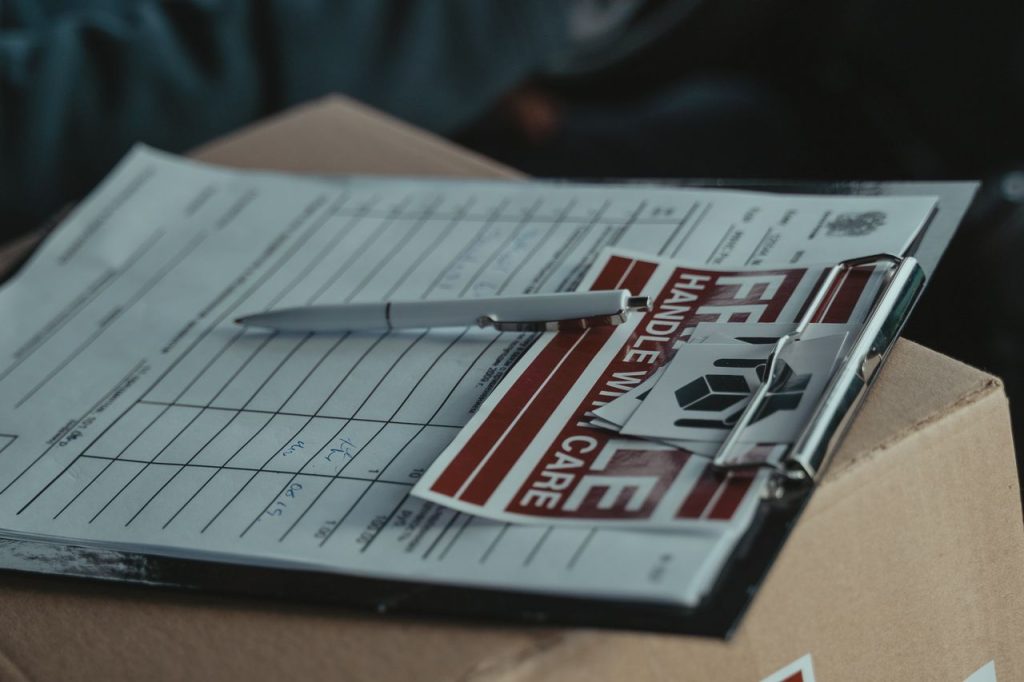
Why Do Shipments Get Stuck at Customs Even with Complete Documents?
Many businesses assume that submitting complete shipping documents guarantees smooth customs clearance. While accurate paperwork is essential, it is only one part of the process. Customs authorities also assess compliance, inspect cargo, verify product classifications, and enforce import regulations before approving shipments.
Understanding why shipments experience delays can help importers and exporters plan better and reduce disruptions to their supply chains.
Understanding the Customs Clearance Process
Every international shipment must pass through customs before entering or leaving a country. Customs officials verify documents, calculate duties and taxes, inspect cargo when necessary, and ensure goods comply with local regulations.
A professional custom clearance service helps businesses prepare accurate documentation, but customs authorities may still perform additional checks based on their risk assessment procedures.
Common Reasons Shipments Get Delayed
Random Customs Inspections
Customs authorities regularly conduct random inspections to maintain security and ensure compliance. Even shipments with accurate documentation may be selected for inspection without prior notice.
These inspections are a normal part of international trade and should not always be viewed as a sign of a problem.
Incorrect Product Classification
Each imported product is assigned a Harmonized System (HS) code that determines applicable duties and regulations. Incorrect classification can result in additional reviews, revised duty calculations, or temporary shipment holds.
Using accurate product classifications is essential for avoiding unnecessary delays.
Duties and Taxes Awaiting Payment
Customs authorities will not release shipments until all applicable duties and taxes have been paid. Delays often occur when payments are incomplete or processing takes longer than expected.
Businesses should confirm payment requirements before cargo reaches its destination.
Restricted or Regulated Goods
Certain products require import permits, health certificates, licenses, or additional approvals before customs clearance.
Examples include food products, pharmaceuticals, chemicals, electronics, and controlled materials. Missing approvals can significantly increase clearance time.
Inconsistent Shipping Information
Even complete documents can contain inconsistencies. Differences between invoices, packing lists, bills of lading, or product descriptions may trigger additional verification.
Reviewing every document carefully before shipment reduces the likelihood of customs queries.
Port Congestion
High cargo volumes at ports and airports can slow customs operations, especially during holiday seasons or periods of increased international trade.
Although documentation may be accurate, operational delays can still affect shipment release.
Security Screening
Many customs authorities conduct security screenings to prevent smuggling and protect national borders. These inspections are based on risk assessments rather than documentation quality alone.
As a result, some shipments require additional examination before clearance is granted.
How Professional Customs Support Reduces Delays
International shipping regulations can be difficult to navigate without experience. Working with a knowledgeable custom clearance agent helps businesses prepare accurate declarations, complete required paperwork, and meet regulatory requirements before cargo arrives.
An experienced custom clearance company also stays updated with changing customs regulations, helping businesses reduce compliance risks and avoid unnecessary shipment holds.
For businesses importing through Pakistan’s major ports, partnering with a reliable custom clearance agent Karachi provides valuable local expertise and familiarity with port procedures.
The Role of Freight Forwarders
Efficient customs clearance depends on coordination between multiple parties, including customs authorities, shipping carriers, warehouses, and importers.
Understanding the services of a freight forwarder helps businesses appreciate the value of professional logistics coordination. Freight forwarders organize documentation, communicate with transportation providers, monitor shipment progress, and prepare cargo for customs processing before arrival.
This proactive approach reduces delays and improves overall shipping efficiency.
Choosing the Right Logistics Partner
Selecting the right logistics partner can significantly improve customs performance. Businesses should look for providers with international shipping experience, strong compliance knowledge, transparent communication, and reliable customer support.
A dependable logistics service provider in Pakistan understands local regulations while offering complete logistics solutions for international trade.
For urgent shipments, dependable air freight services reduce transit time and help businesses meet strict delivery schedules.
Likewise, partnering with an experienced air cargo shipping company ensures cargo is handled according to international aviation standards while supporting faster customs processing at airports.
When evaluating potential partners, businesses should compare different logistics companies based on their expertise, reputation, and ability to manage customs requirements efficiently.
Best Practices for Avoiding Customs Delays
Businesses can reduce customs-related disruptions by following a few practical steps:
- Verify all shipping documents before dispatch.
- Use accurate product descriptions and HS codes.
- Confirm duties and taxes are paid on time.
- Obtain permits for regulated goods before shipping.
- Plan shipments early during peak shipping seasons.
- Work with experienced logistics professionals who understand customs procedures.
Conclusion
Complete documentation is an important part of customs clearance, but it does not eliminate every potential delay. Random inspections, product classifications, security checks, regulatory requirements, and operational factors can all affect shipment release.
Businesses that understand these challenges and work with experienced logistics professionals are better prepared to keep goods moving efficiently across international borders. Bismillah Logistics provides dependable logistics solutions that help businesses navigate customs procedures with confidence and minimize unnecessary shipping delays.